Use Of Technology
Pack Station
Lungile Poulty complies with both statutory and regulatory requirements within our food safety and quality system in our egg pack station. We working on getting compliant with portions of international standards which includes but is not limited to GFSI, ISO 22000 and HACCP.
These eggs are derived from the egg pack station, the pack station makes use of an egg grading machine, this machine removes all crack and dirty eggs. The machine has a highly developed egg crack detection system which detects hairline cracks in the eggs and sorts them as off grade eggs. Another sophisticated function on the machine is the dirty eggs separator, which is manually operated by our well-trained handling staff. These off grade eggs are then boxed and dispatched to our cull station. These eggs are safe for human consumption and still fresh, as these eggs are off grades they are sold at lower prices.
Responsible Use Of Production Imputes
Nutrition
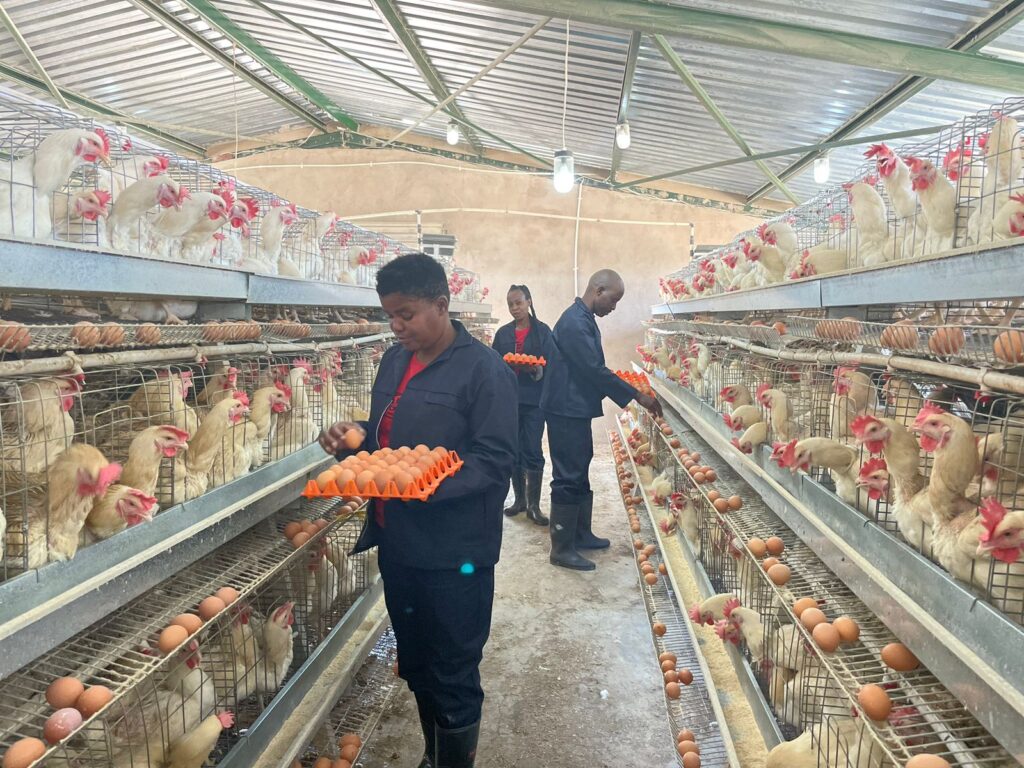
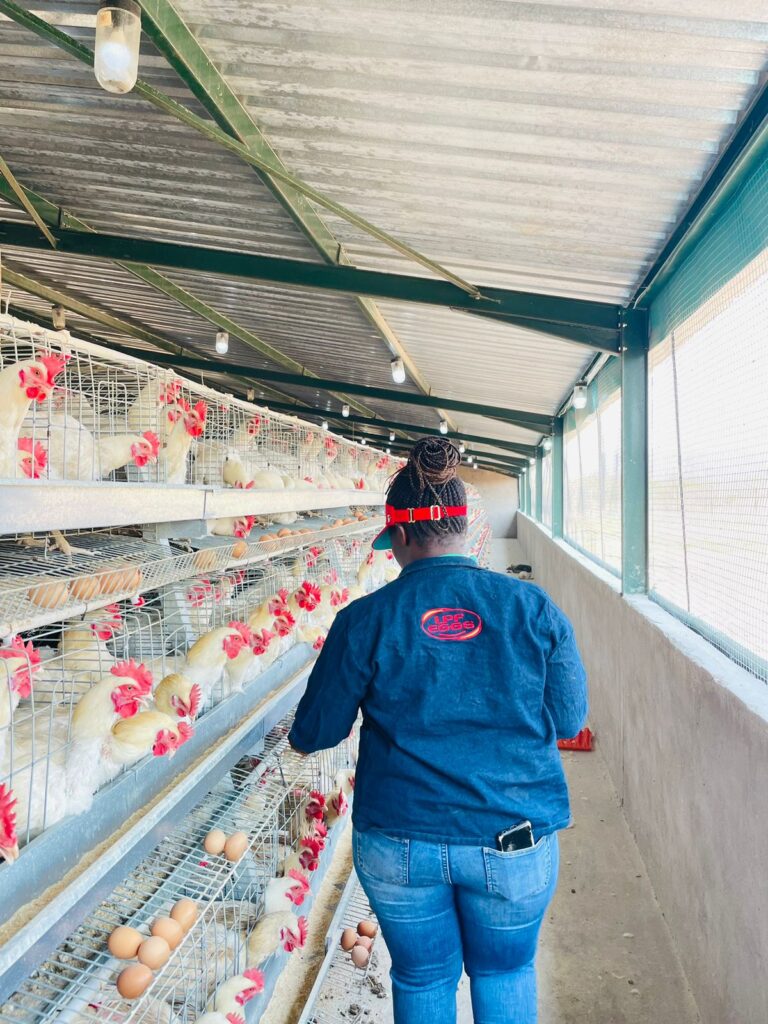
Layer diets are formulated to provide the energy and nutrients essential for health and efficient egg production. The basic nutritional components required by the birds are water, amino acids, energy, vitamins, and minerals. Sufficient calcium for shell production is specifically vital in our layer mash.
All our products are specifically formulated by qualified nutritionists to achieve the desired production levels at a lower cost. Feed is and always ISO 22000 accredited, all our products are formulated with natural products such as maize, soya, sunflower oilcake, chop, and bran.
No animal protein sources or animal-derived products are included in the feed formulation, a strict bio-security rules at all times to reduce possible contamination.
The produced feed adheres to a rigorous quality control process to confirm the quality before being distributed.
Water Management
To ensure optimum egg quality and overall health, the water supplied to the hens should be of a good standard. Chicks and pullets which do not drink enough water will have an inadequate feed intake and bad growth. This affects future egg production ability.
We do regular checks to ensure that drinkers are working properly and/or are full, we ensure drinkers are at crop level and the water pressure is correct.
When temperatures are high or if birds have health problems, they consume more water to regulate body temperature, we add chlorine tablets to the water to sanitize water, but not during vaccination days. Under normal conditions, hens drink between 250 ml -500 ml of water each day. We do not feed water directly out of a borehole or big tank. Divert water to a smaller catchment tank to help with medicating and vaccination of hens.
We adhere to the Department of water affairs laws, we have a water license, ensuring correct use of water and protection of borehole.